
Creating a comfortable indoor environment requires more than attractive furniture and stylish decor. Factors such as temperature regulation, natural light, privacy, and energy efficiency play an important role in making a home pleasant throughout the year. With changing seasons and varying weather conditions, homeowners increasingly seek window coverings that combine functionality with modern design. Honeycomb blinds in Canada have become a popular option because of their distinctive cellular construction, which helps improve insulation, manage sunlight, and maintain a comfortable indoor atmosphere. Their versatile appearance and practical features make them suitable for bedrooms, living rooms, home offices, and other spaces where comfort and efficiency matter.
Understanding the Cellular Design of Honeycomb Blinds
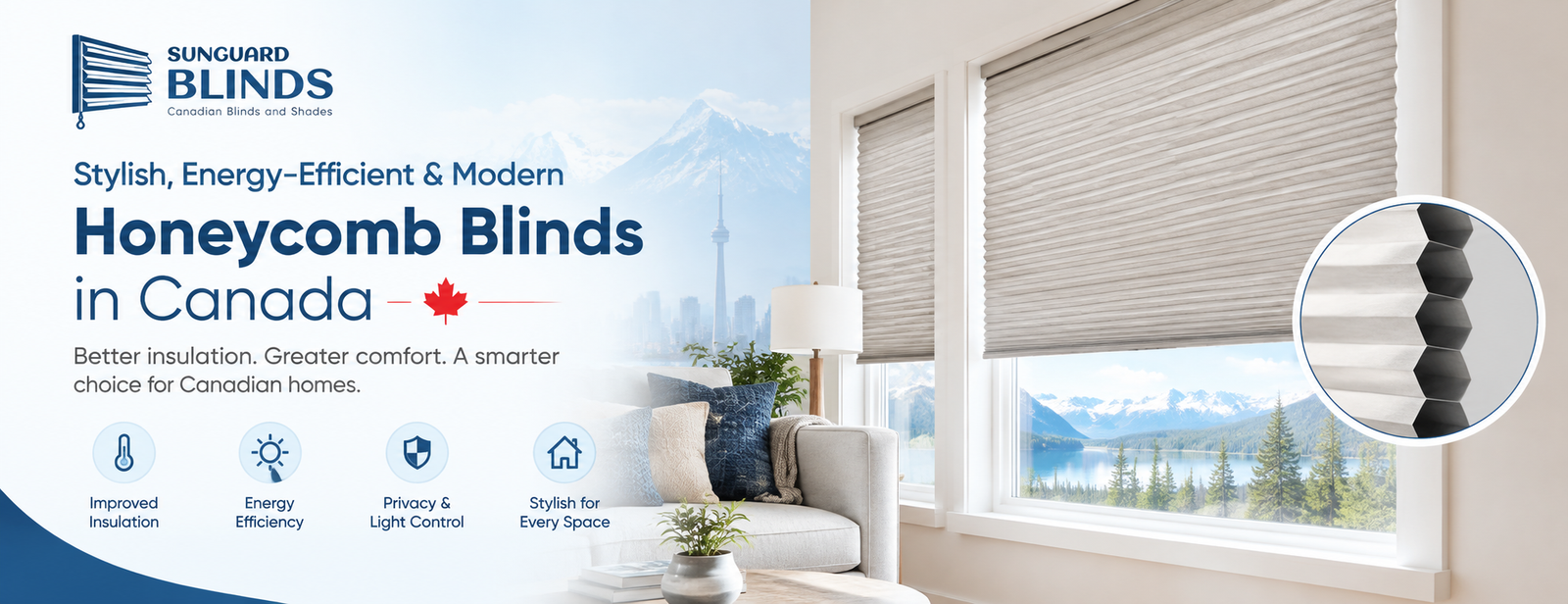
The defining feature of honeycomb blinds is their unique cellular structure. When viewed from the side, the fabric forms a series of connected pockets resembling a honeycomb. These pockets trap air, creating an additional layer between the window glass and the interior of a room.
Windows can contribute to unwanted heat transfer, particularly when outdoor temperatures fluctuate significantly. The air pockets in cellular blinds help slow this transfer, supporting a more stable indoor environment. Although the level of insulation depends on the fabric, cellular configuration, window type, and installation quality, the design offers practical advantages for everyday living.
Honeycomb blinds are available in single-cell and double-cell configurations. Single-cell designs feature one layer of cellular pockets, while double-cell options provide additional pockets that can improve insulating performance. Choosing between them depends on individual comfort requirements, window exposure, and budget.
Improving Indoor Comfort Throughout the Seasons
Canadian weather can vary considerably throughout the year, making temperature management an important consideration for homeowners. During winter, heat can escape through windows, potentially leaving rooms feeling colder than desired. In summer, direct sunlight can increase indoor temperatures, particularly in rooms with large or south-facing windows.
The cellular construction of honeycomb blinds helps reduce heat transfer through window areas. During colder months, the trapped air provides an insulating layer that can help limit heat loss. In warmer weather, suitable fabrics and light-control options can help reduce unwanted solar heat gain.
Choosing honeycomb blinds in Canada can therefore support year-round comfort when the products are matched to the property’s specific needs. However, window coverings work best as part of a broader approach that includes proper insulation, effective sealing, and appropriate heating and cooling systems.
Managing Natural Light Without Sacrificing Privacy
Natural light influences the atmosphere, appearance, and usability of an indoor space. Bright daylight can make rooms feel open and welcoming, but excessive sunlight may cause glare on computer screens, fade furnishings over time, or reduce comfort during certain hours.
Honeycomb blinds are available in different opacity levels, allowing homeowners to select the amount of light they want to filter. Light-filtering fabrics soften incoming daylight while maintaining a bright atmosphere. Room-darkening options provide greater control over incoming light and may be particularly useful in bedrooms, nurseries, and media rooms.
Privacy is another important consideration, especially for street-facing windows and properties located close to neighbouring buildings. Depending on the fabric and design, cellular blinds can limit visibility from outside while maintaining a neat interior appearance.
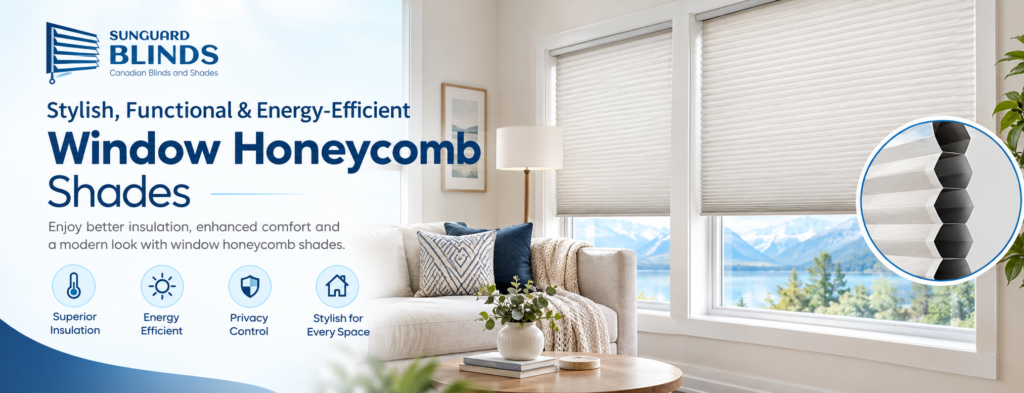
For homeowners seeking flexible daylight management, window honeycomb shades offer a practical combination of light diffusion, privacy, and contemporary styling. Selecting the right opacity helps ensure that each room receives an appropriate balance of brightness and seclusion.
Choosing the Right Honeycomb Blinds for Different Windows
Every window presents different requirements. Small bedroom windows may need privacy and room-darkening features, while kitchen windows often benefit from practical light control that preserves a bright atmosphere. Home offices may require glare reduction to make working near screens more comfortable.
Window dimensions also influence product selection. Larger windows can introduce substantial sunlight and may require carefully measured coverings to maintain consistent performance and appearance. Custom sizing helps create a closer fit and a more polished finish.
When selecting honeycomb blinds for large windows, homeowners should consider the window’s width and height, the direction it faces, the amount of direct sunlight it receives, and the preferred operating mechanism. The weight and dimensions of the covering may also affect whether a manual or motorized system is more suitable.
Professional measurement can help reduce fitting errors and identify practical installation considerations. For unusually shaped windows or expansive glass surfaces, discussing available configurations with a window-treatment specialist can help determine the most appropriate solution.
Exploring Motorized and Cordless Operating Options
Modern window coverings increasingly focus on convenience, accessibility, and ease of use. Honeycomb blinds are available with manual, cordless, and motorized operating systems, allowing homeowners to choose an option that suits their routines.
Cordless designs provide a clean appearance and remove dangling operating cords, making them a useful consideration for households with young children or pets. Motorized blinds allow users to adjust window coverings with a remote control or compatible smart-home system, depending on the model.
Automation can be particularly helpful for windows that are difficult to reach. Scheduled adjustments may also make it easier to manage sunlight throughout the day without repeatedly operating each blind manually.
When considering motorization, it is worth reviewing power requirements, control compatibility, installation needs, and maintenance expectations. Selecting a system that fits everyday habits can make window coverings more convenient without adding unnecessary complexity.
Maintaining Honeycomb Blinds for Long-Term Performance
Regular care helps preserve the appearance and functionality of cellular blinds. Because their fabric contains small pockets, dust can collect along the folds if cleaning is neglected.
Routine maintenance usually involves gently dusting the surface with a soft brush or using a vacuum cleaner with a suitable upholstery attachment on a low setting. Always follow the manufacturer’s cleaning instructions, as fabric treatments and construction methods can vary.
Avoid soaking the blinds or applying harsh chemicals unless the product’s care guidance specifically permits these methods. Excess moisture may affect certain fabrics or components. For small marks, a gentle spot-cleaning method may be appropriate, provided it is compatible with the material.
It is also helpful to operate the blinds smoothly and check their mechanisms periodically. Proper handling can reduce unnecessary strain on cords, brackets, and moving components.
Factors to Consider Before Making a Purchase
Before choosing cellular blinds, assess the primary purpose of the window covering. Insulation, privacy, room darkening, glare control, and decorative appeal may each influence the final decision.
Consider the following factors:
- Cell structure: Compare single-cell and double-cell designs according to insulation needs and budget.
- Fabric opacity: Select light-filtering, room-darkening, or other available options based on the room’s purpose.
- Colour and texture: Choose finishes that complement existing furniture, wall colours, and interior design.
- Window measurements: Ensure accurate sizing for suitable coverage and a clean appearance.
- Operating system: Evaluate manual, cordless, and motorized options for convenience and accessibility.
- Installation requirements: Check mounting depth, bracket placement, and compatibility with the window frame.
Homeowners comparing honeycomb blinds in Canada should also consider the property’s climate, window quality, and typical sunlight exposure. These details can help establish realistic expectations about insulation and energy savings. While cellular blinds may contribute to improved efficiency, actual results vary according to the building and the products selected.
Transform Your Windows with Sunguard Blinds!
Enhance your home’s comfort, style, and energy efficiency with premium honeycomb blinds from Sunguard Blinds. Offering custom-made solutions, quality craftsmanship, and professional installation, we help you find the perfect balance of privacy, natural light, and insulation. Explore stylish designs tailored to your windows and enjoy a more comfortable living space throughout Canada’s changing seasons.
Conclusion
Comfortable interiors depend on thoughtful choices that balance temperature regulation, natural light, privacy, and visual appeal. Honeycomb blinds offer a practical solution through their distinctive cellular structure, which traps air and helps reduce unwanted heat transfer around windows. Their range of fabrics, opacity levels, sizes, and operating systems makes them suitable for different rooms and lifestyles. By evaluating window dimensions, insulation requirements, maintenance needs, and daily preferences, homeowners can select coverings that support a more pleasant indoor environment. Ultimately, honeycomb blinds in Canada provide a versatile way to enhance everyday comfort while complementing the style and functionality of modern living spaces.
“`htmlFrequently Asked Questions
Honeycomb blinds are window coverings with cellular pockets that trap air to help improve insulation, privacy, and indoor comfort.
Their cellular structure creates an insulating layer that helps reduce heat transfer through windows, potentially supporting lower heating and cooling costs.
Yes, honeycomb blinds can help reduce heat loss through windows during winter, making indoor spaces more comfortable.
Yes, they are available in different opacity levels, allowing homeowners to choose suitable privacy and light-control options.
Yes, honeycomb blinds can be custom-made to fit various window dimensions, including standard, oversized, and uniquely shaped windows.
Yes, many honeycomb blind designs offer motorized options that allow convenient adjustments using remote controls or compatible smart-home systems.
Regularly remove dust using a soft brush or a vacuum with an upholstery attachment on a low setting. Always follow the manufacturer’s cleaning instructions.






No comment