

Installing blinds may seem like a straightforward task at first glance, but the reality is often more complex. Many homeowners searching for how to install blinds in windows quickly discover that achieving a clean, functional, and long-lasting result requires more than just basic tools and instructions. From measuring inaccuracies to mounting complications, several challenges can arise during the process. Understanding these issues—and how professionals handle them—can help you make better decisions for your space.
Understanding the Importance of Accurate Measurements
One of the most common challenges when installing blinds is incorrect measurement. Even a slight miscalculation can result in blinds that are too tight, too loose, or unevenly aligned. This is especially critical for inside-mounted blinds, where precision is key to achieving a seamless look.
Professionals use specialized measuring techniques and tools to ensure exact dimensions. They account for depth, frame irregularities, and even minor structural inconsistencies that are often overlooked. This level of accuracy is particularly important when installing window coverings in Cambridge, where a polished and tailored appearance is often a priority for homeowners.

Dealing with Uneven or Irregular Window Frames
Not all windows are perfectly square, and this can create significant challenges during installation. Older homes, in particular, may have frames that are slightly warped or uneven due to settling over time.
When learning how to install blinds in windows, many people assume that standard measurements will suffice. However, professionals assess the window structure carefully before installation. They may use shims, adjust brackets, or recommend outside mounts to compensate for irregularities. These adjustments ensure that blinds hang evenly and operate smoothly, regardless of the frame condition.
Choosing the Right Mounting Style
Another challenge lies in selecting the appropriate mounting style—inside mount or outside mount. Each option has its own advantages and limitations, depending on the window design and the desired aesthetic.
Professionals guide this decision based on factors such as light control, privacy, and space availability. For instance, outside mounts are often recommended for maximizing coverage and blocking light effectively. This is especially relevant for homeowners considering blackout blinds in Toronto, where light control can significantly impact comfort and energy efficiency.
Handling Different Blind Types and Mechanisms
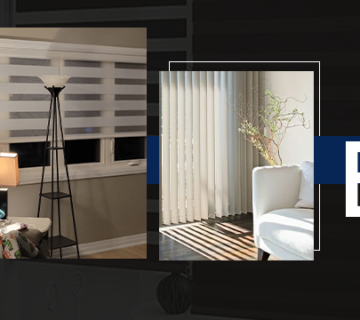
Blinds come in various styles, including roller, vertical, zebra, and motorized options. Each type has its own installation requirements, and misunderstanding these can lead to improper setup or damage.
For example, motorized systems require careful alignment and sometimes electrical integration. When exploring how to install blinds in windows, it’s easy to underestimate the complexity of these advanced systems. Professionals are trained to handle these installations, ensuring that all components function correctly and safely.
This expertise becomes even more valuable when dealing with automated blinds Ontario, where seamless integration with smart home systems is often expected. Proper installation ensures not only convenience but also long-term reliability.
Avoiding Damage to Walls and Window Frames
Improper drilling or mounting can cause permanent damage to walls, window frames, or even the blinds themselves. This is a common issue for those attempting installation without the right tools or experience.
Professionals use appropriate anchors, screws, and mounting techniques based on the surface material—whether it’s drywall, wood, or metal. They also ensure that the weight of the blinds is properly supported, reducing the risk of sagging or detachment over time.
Understanding how to install blinds in windows also involves knowing where and how to drill safely. Professionals minimize damage while ensuring a secure and durable installation.
Ensuring Smooth Operation and Alignment
Even if blinds are installed without visible errors, operational issues can still arise. Misaligned brackets or uneven tension can cause blinds to tilt improperly, stick, or fail to retract smoothly.
Professionals conduct thorough checks after installation to ensure everything functions as intended. They adjust tension, align components, and test the movement multiple times. This attention to detail ensures that the blinds not only look good but also perform efficiently.
Addressing Safety Concerns
Safety is another critical aspect often overlooked during installation. Loose cords, unstable mounts, or improperly secured components can pose risks, especially in homes with children or pets.
Modern blinds often include cordless or motorized options to enhance safety. Professionals are well-versed in installing these systems correctly, ensuring compliance with safety standards. This is particularly important for larger installations, such as door blinds in Canada, where stability and ease of use are essential.
Managing Time and Complexity
For many homeowners, time is a significant constraint. What appears to be a quick weekend project can quickly turn into a time-consuming and frustrating task.
Professionals streamline the process with efficient workflows and experience. They can complete installations quickly without compromising quality, allowing homeowners to enjoy the results without the stress of trial and error.
Achieving a Professional Finish
One of the most noticeable differences between DIY and professional installation is the final appearance. Crooked blinds, visible gaps, or poorly aligned components can detract from the overall look of a room.
Professionals focus on achieving a clean, polished finish that complements the interior design. They ensure consistent spacing, proper alignment, and a cohesive look across all windows. This level of detail enhances both aesthetics and functionality.
Upgrade Your Windows with Precision and Style
At Sunguard Blinds, we combine advanced laser-cut technology with expert craftsmanship to deliver perfectly fitted blinds tailored to your space. With over 10 years of experience, 700+ happy clients, and thousands of installations, our team ensures every detail is handled with care. We offer premium materials in a wide range of colors, smart automation options, and a seamless process from free consultation to professional installation. Our 5-year warranty and 24/7 support give you complete peace of mind, while our custom solutions enhance comfort, style, and long-term performance in every room.
Conclusion
Understanding how to install blinds in windows goes beyond following basic instructions—it involves addressing a range of challenges that can impact both appearance and performance. From precise measurements to handling complex mechanisms, each step requires careful consideration and expertise. Professionals bring the skills and tools needed to overcome these obstacles, ensuring a smooth installation process and long-lasting results. By recognizing these common challenges and their solutions, homeowners can make informed choices that enhance comfort, style, and functionality in their living spaces.





No comment